finding the feel

People often ask us how we come up with a theme for a property… How do we capture the feel?

Firstly, there’s no way around it… we have to start with a ‘brief’!

Our ‘brief’ is a questionnaire designed to address practical information such as the budget and timelines but it also provides us with an idea of your lifestyle, likes and desires and it forms the framework for the concept.
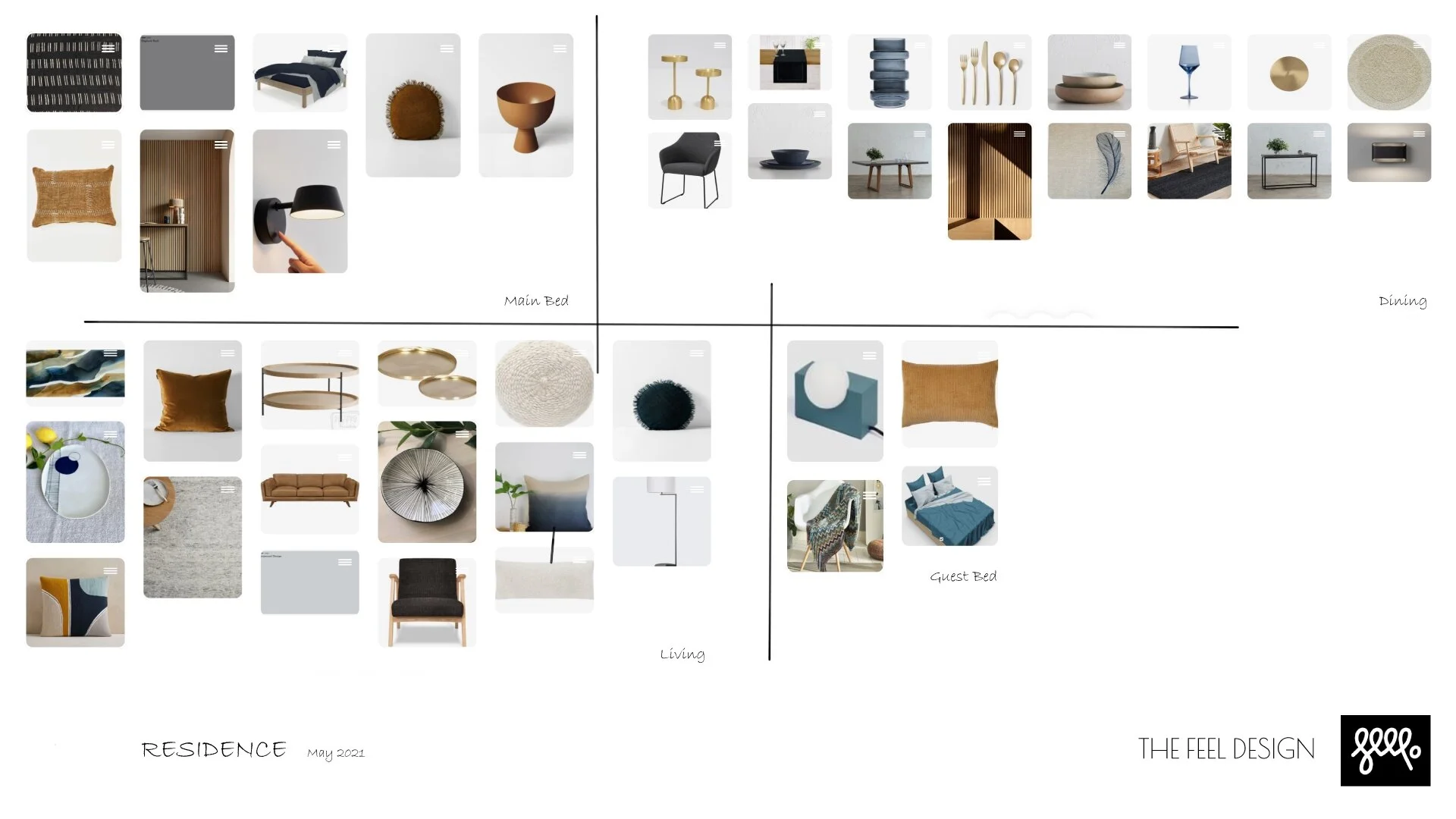
Our latest concept. This inner-city clean and contemporary ‘bachelor pad’  perfectly reflects the owner’s busy lifestyle and tastes.

Our latest concept. This inner-city clean and contemporary ‘bachelor pad’ perfectly reflects the owner’s busy lifestyle and tastes.

But this is jut the beginning, for us to really ‘nail’ the feel your after, we need you to do some homework. We ask you to prepare a board on a a social network such as Pinterest https://www.pinterest.com.au or Houzz https://www.houzz.com.au

It doesn’t matter what’s on the board. Things to include could be as diverse as favourite holiday locations or quotes. All these things will help give us more of an idea of who you are as a person, but obviously, design oriented things such as gardens and architecture are helpful too! However, if you really don’t feel comfortable using social media, good old fashioned photos and magazines will still do the trick..

A Pinterest Board

A Pinterest Board

From there, we often look to a favourite piece of furniture or artwork to give us our lead and start the creative juices flowing. If possible, it is also helpful for us to spend some time in the space itself - soaking up the energy. We firmly believe that different places have their own spiritual dimensions and if you’re really quite you can tune into that and get as sense of what would feel right in the context. Subtleties such as natural lighting, smells and activities can give you important clues as to direction.
Testing our Resolve

At the Feel, we have been committed to designing environmentally and ethical interiors for decades and we’re pleased to report that every year the demand goes up and correspondingly, so do the number of green products (we’ll get to green-washing in a later post.. but for now suffice to say - it’s real!) but as the Frog says, it hasn’t been the easiest road to travel.

It’s not easy being green....
— Kermit the frog

Most people have good intentions, but let’s face it, trying to create ‘the feel’ whilst being green can be difficult.

Some people’s enthusiasm wanes when they realise they may have to make sacrifices to go that way. It can really test our resolve to ‘do the right thing’.

Let's examine some reasons why;

One of the main reasons it may cost more is because to be truly sustainable we must prioritise locally made items. Domestic manufacturers struggle to compete with cheap overseas mass-produced products. One of the ‘upsides’ to the COVID pandemic is that due to logistics difficulties (yes, there is always a ‘silver lining’:)), we have seen a resurgence in people ‘going local’. a trend we hope will perpetuate because it keeps local people employed, supports the badly affected arts sector, and helps to create a circular economy.

Another reason your budget may suffer is because being green often involves using cutting-edge products which, because of their technology, aren’t widely available yet. For instance, many items made from recycled materials involve the use of specialised ‘made- for-purpose’ equipment. Therefore you will find these kinds of items are only produced in countries with large populations which can support the investment and they are priced accordingly.

Thirdly, in these days of ‘fast fashion’ people like things we’re used to everything being available instantly. Conversely, handmade and ‘small run’ items often take time because they may have to be manufactured to order. Many small production houses cannot afford to keep stock on hand,

And lastly, if you find yourself wondering if it’s all worth the effort the answer is a resounding Yes!

We can’t always be perfect but we can always try!

Quotation-Tony-Robbins-No-matter-how-many-mistakes-you-make-or-how-slow-53-90-72.jpg


return to origin

Well, It’s been quite some time since we posted. The last year has been one of chaos and turmoil as the world struggles with COVID 19 and all that ensues!

Many people have been using the time to re-think their life direction. At the Feel we have grabbed the proverbial ‘bull by the horns’ and used that impetus to relocate to the other side of Australia.. back to where it all began and our roots… and we’re glad to see that we’re not the only ones.

The new Optus Stadium by Phillip Cox Architects

The new Optus Stadium by Phillip Cox Architects

Coming back to Perth after so many years away has been surprising in many ways. One thing is evident, Perth seems to have finally graduated from a small town to a fully-fledged city over the last 15 years. This ‘Coming of Age’ is evidenced by the number of high-quality architectural developments but also perhaps by a certain gaining of wisdom around the fact that our unique identity must be grounded in the recognition our first nation peoples’ relationship with the land. Who we are is a reflection of where we came from.It is part of our story as individuals and as a community. and Western Australia has one of the oldest continuous cultures in the world whose inhabitants can claim to have been part of this place for 30,000 odd years!

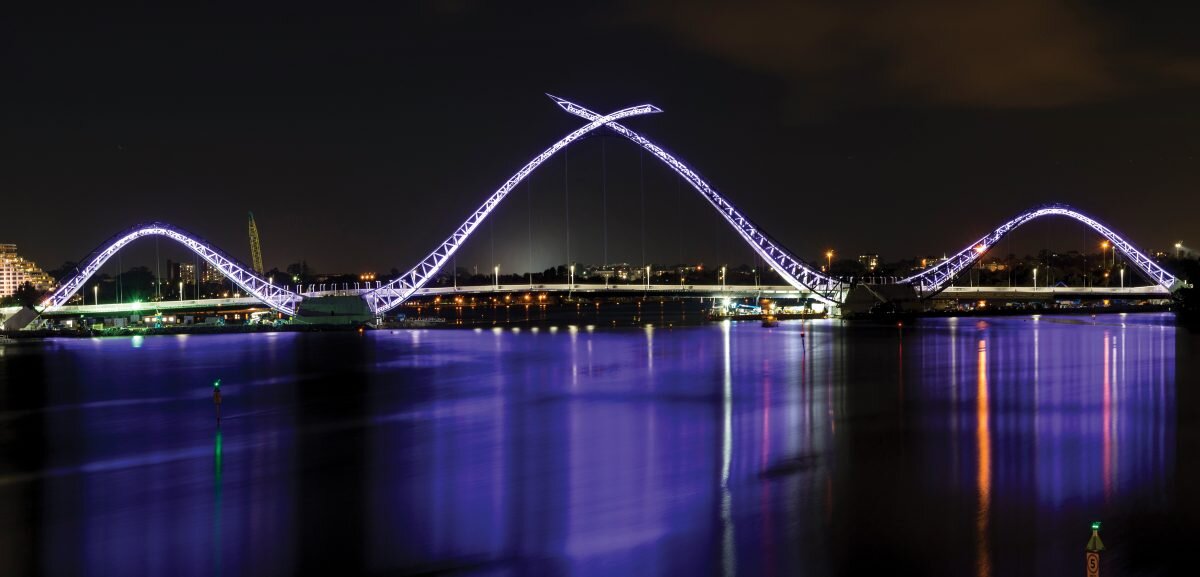
The nearby Matagarup Bridge

The nearby Matagarup Bridge

In recognition of that unique history the city has embraced its roots. One impressive example of this is the Matagarup Bridge which sits close to the new Optus Stadium (top pic) and which takes it’s inspiration from The Wagyl Rainbow Serpeant from the Noongar dreamtime legends of the south-west. At The Feel Design, we value a unique story and a sense of place so we’re delighted to see this approach to the forming of our architectural landscape.

The Healing Art of Bonsai

Photo 15-10-19, 3 44 52 pm.jpg

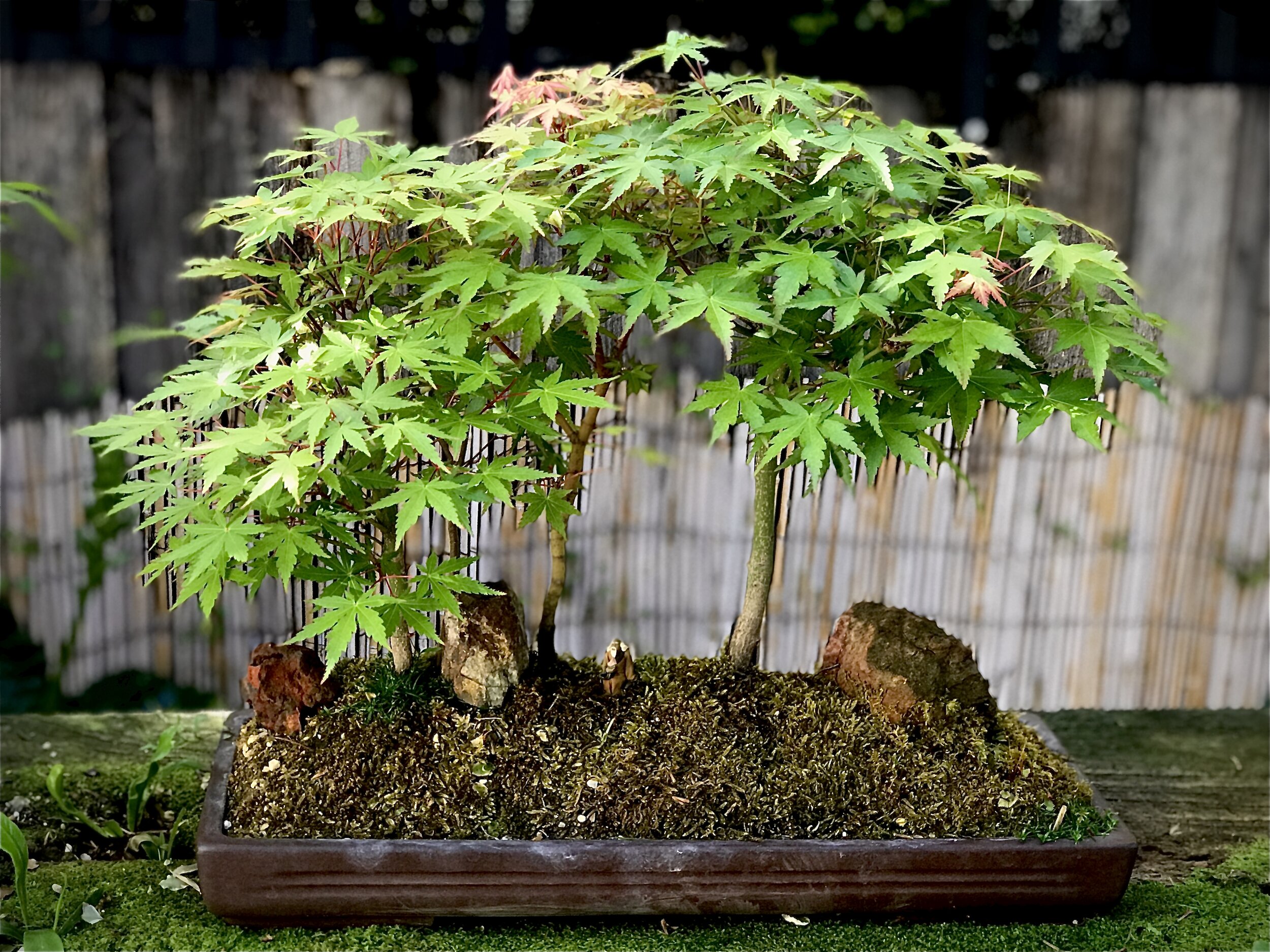
We visited a local resident’s stunning bonsai collection recently and were reminded of how healing the process can be…

The word Bonsai (盆栽) literally means "tray planting," and was born in China over 1,300 years ago. 800-1000 years ago the Japanese version ‘took root’ but the western fascination for the subject really only became mainstream following the first Karate Kid film (1984) in which the Master teaches the pupil, Daniel. ‘to think only tree’ - attaining mindfulness through a focus nurturing the Bonsai, which of course became one of the key lessons Daniel would need to apply to his practice of Karate.

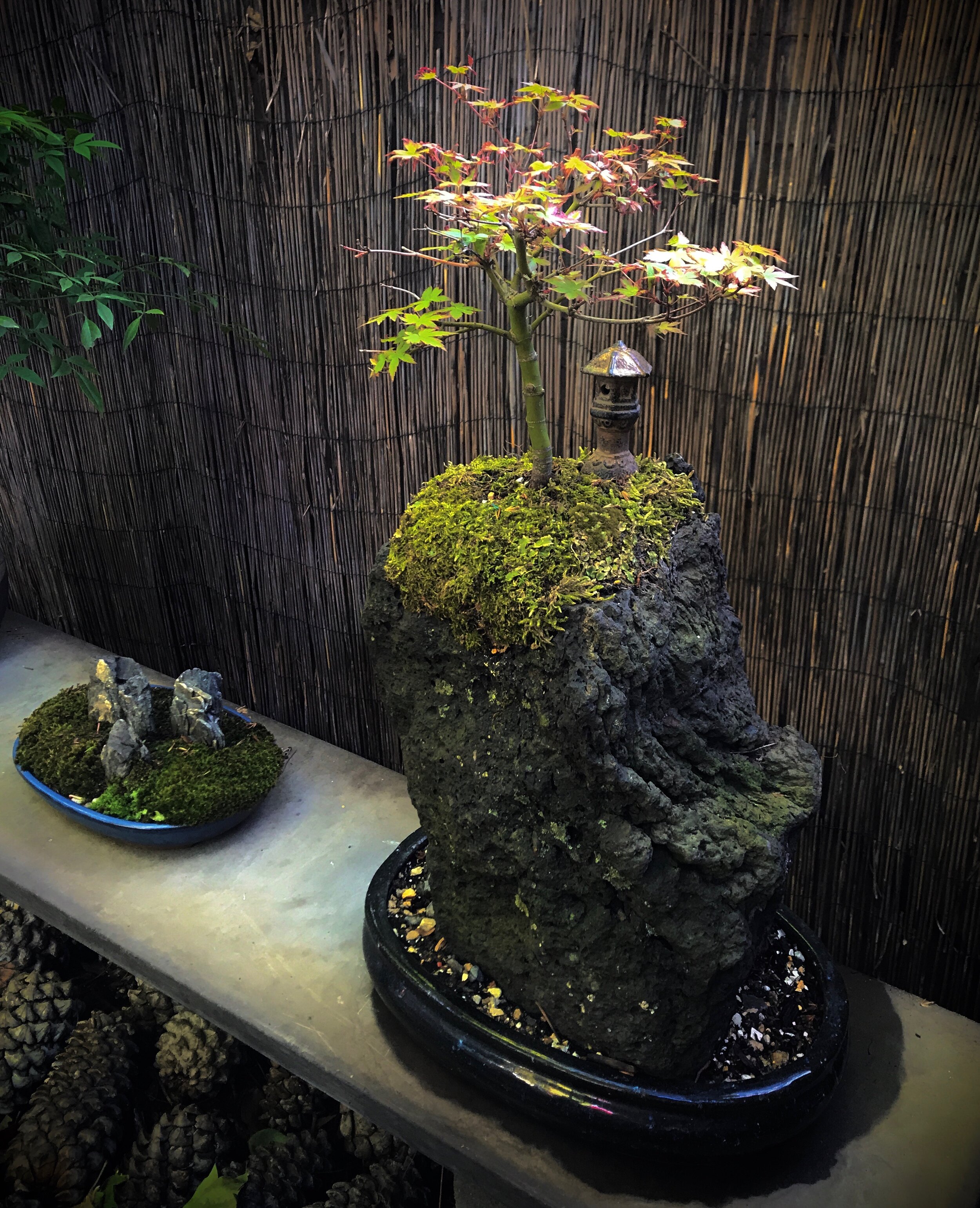
From a technical perspective, a simple description of Bonsai would be that it is the miniaturisation of trees and the landscape they would naturally sit in. Despite the fact that many man-hours and years of painstaking care are involved in rearing a bonsai, and there are many specific styles which traditional bonsai technique dictate, the aim is that there be no obvious indications that the Bonsai’s creator has shaped it. That is where a true Bonsai Master excels and why they are respected as artists - no different to a painter or a sculptor.

Bonsai is an art form that celebrates the connection of the tree with the human heart. The bonsai artist works with the tree to bring out its essence. Doing so can be a form of meditation, or mindfulness, as the plant and bonsai artist come together to grow a new story—a connecting story that weaves together that of the tree and that of the artist.

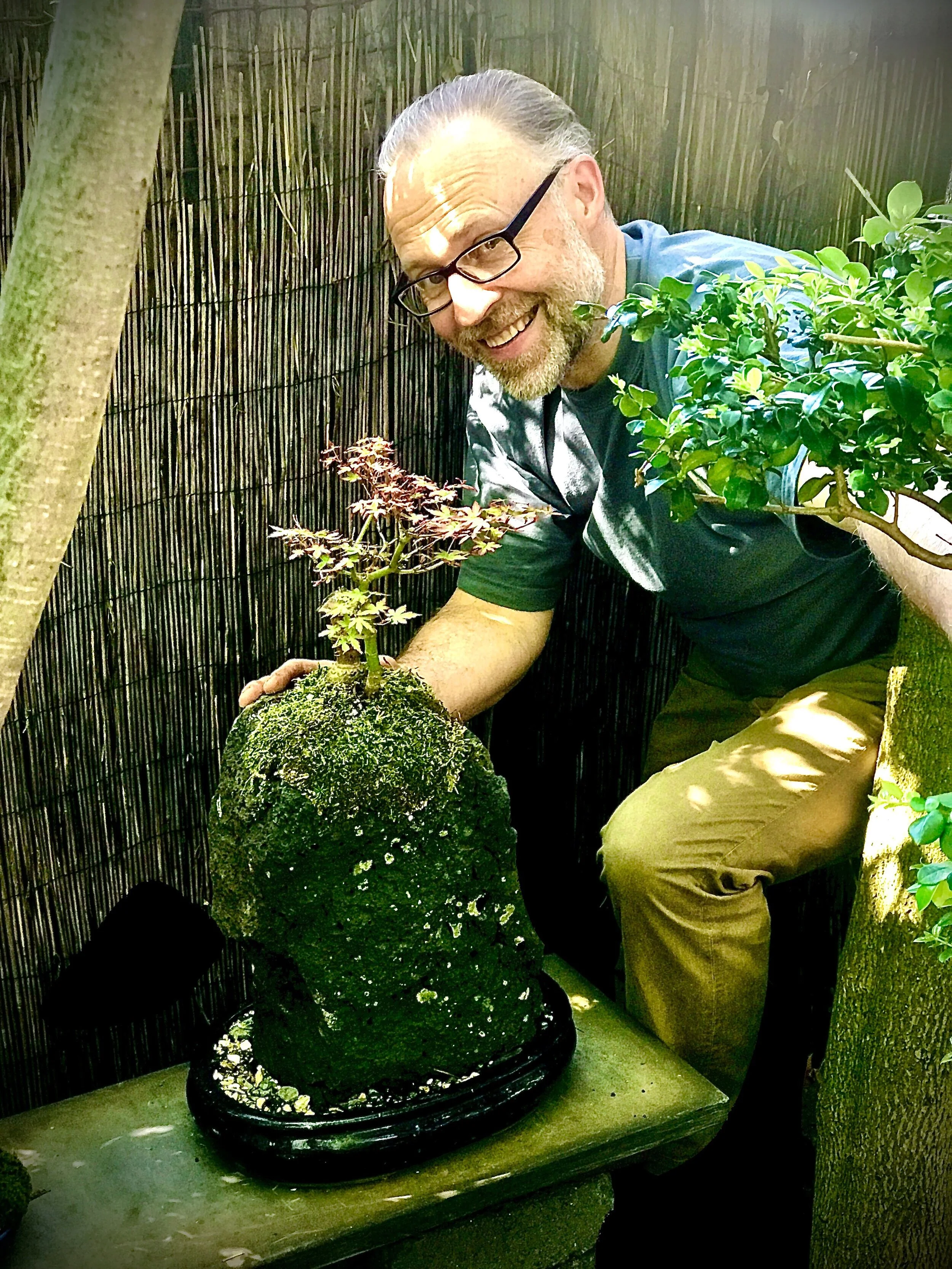
Local resident and long-time Bonsai aficionado, Jeff. Recently suffered the loss of his soulmate and wife through Cancer. I asked him whether working on the Bonsai helped him through the process and about his personal experience of dedicating himself to the art form which he began practising 25 years ago - collecting oak seedlings out of the gutters around the oval after football training.

“It’s easy to lose yourself in Bonsai, which is to say that you leave so much of your world behind when you are tending to the trees, The world of trees can be just as complicated as what you have left behind. They require watering, leaf pinching, trimming, root pruning, mossing, wiring, protection from the wind or sun, repotting, repositioning and more… but all these things can only be done with a sense of service and devotion. The result is constructive and beautiful, and just knowing that the tenacious and gracious little tree may outlive you is a wonderful source of inspiration.” Jeff said.

IMG_6008.jpeg

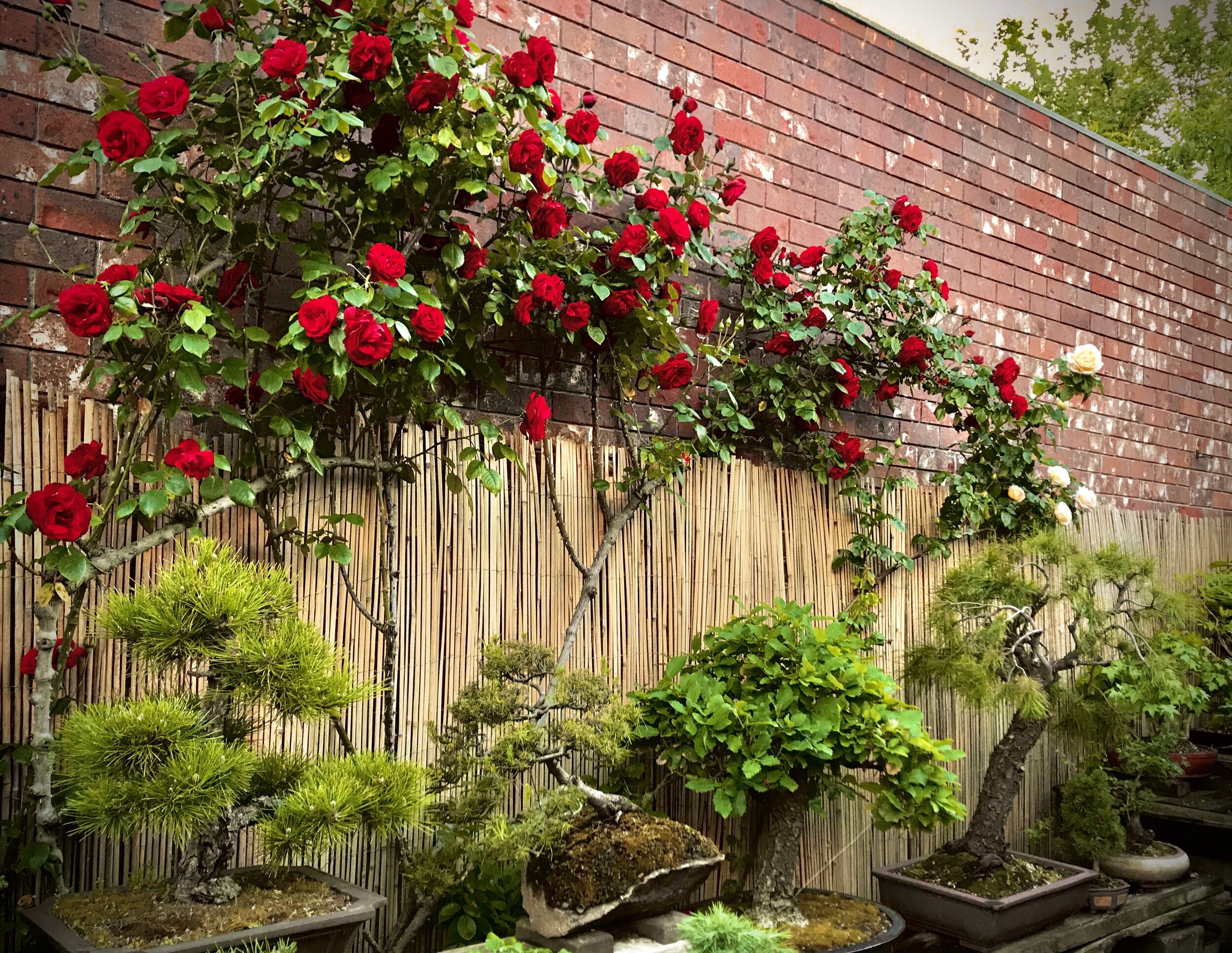
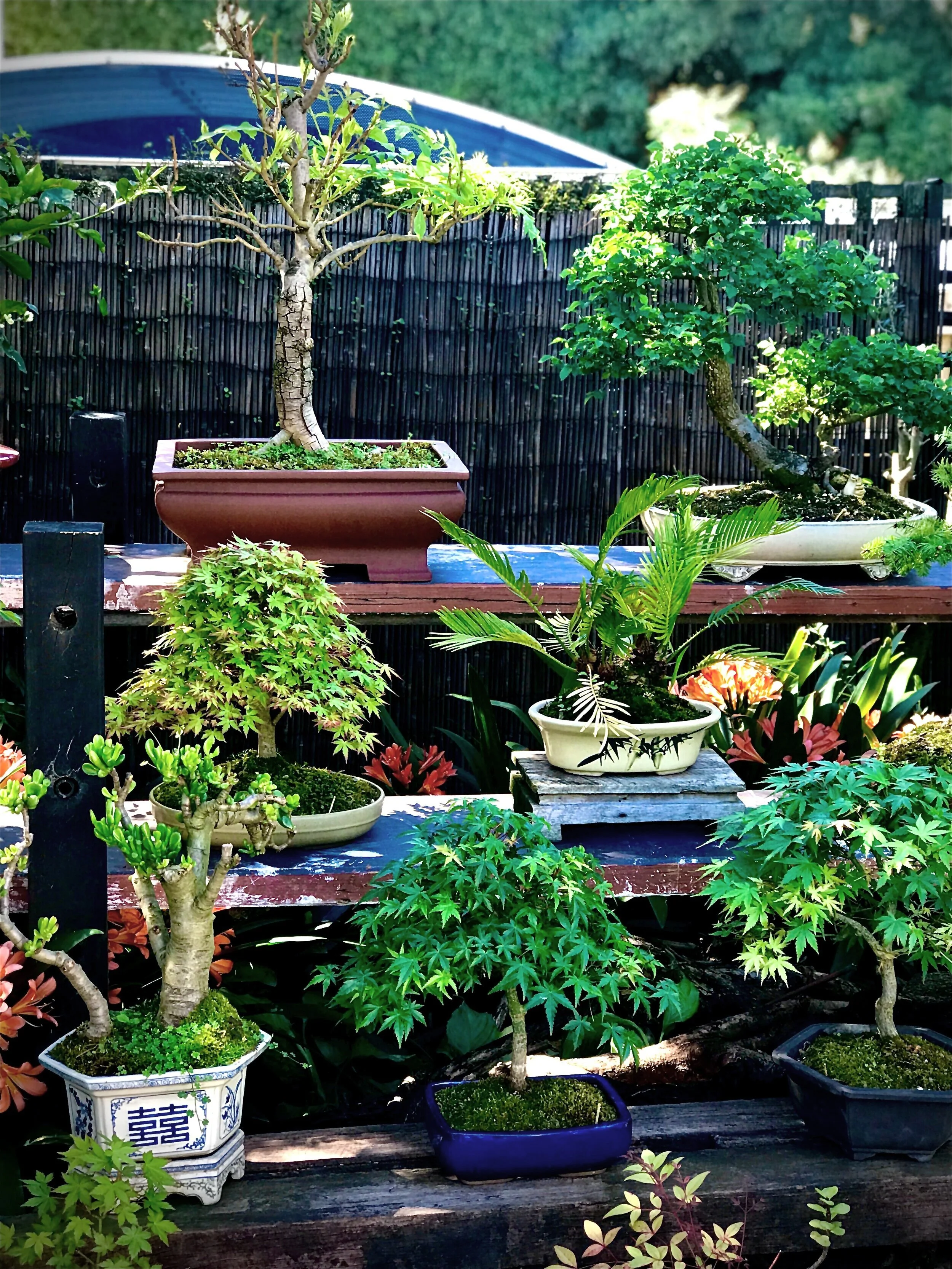
Some of Jeff’s outstanding collection (above) laying testament to the love and care he has provided them over the years. In this area they are framed by gorgeous red roses - the flower most associated with romantic love and somehow a poetic statement in this case…

Photo 15-10-19, 3 39 43 pm.jpg
Photo+15-10-19%2C+3+37+50+pm.jpg

Jeff’s wife, Bridget, used to refer to the Bonsai as his ‘babies’ and just as in the case of children, the responsibility of keeping them healthy and looking their best is one that can’t be ignored without potentially dire consequences…

Photo+15-10-19%2C+3+53+11+pm.jpg
Photo 15-10-19, 3 48 55 pm.jpg
Photo 15-10-19, 3 46 07 pm.jpg
IMG_5929.jpeg

Thank you, Jeff, for sharing your story and beautiful Bonsai with The Feel.

May the practice continue to help you find your Zen in this crazy world we live in…

IMG_0227.jpeg

IN MEMORY OF BRIDGET - BELOVED WIFE AND MOTHER

13/11/1968 - 16/05/2019